Why SS Sheets Matter More Than Most People Think
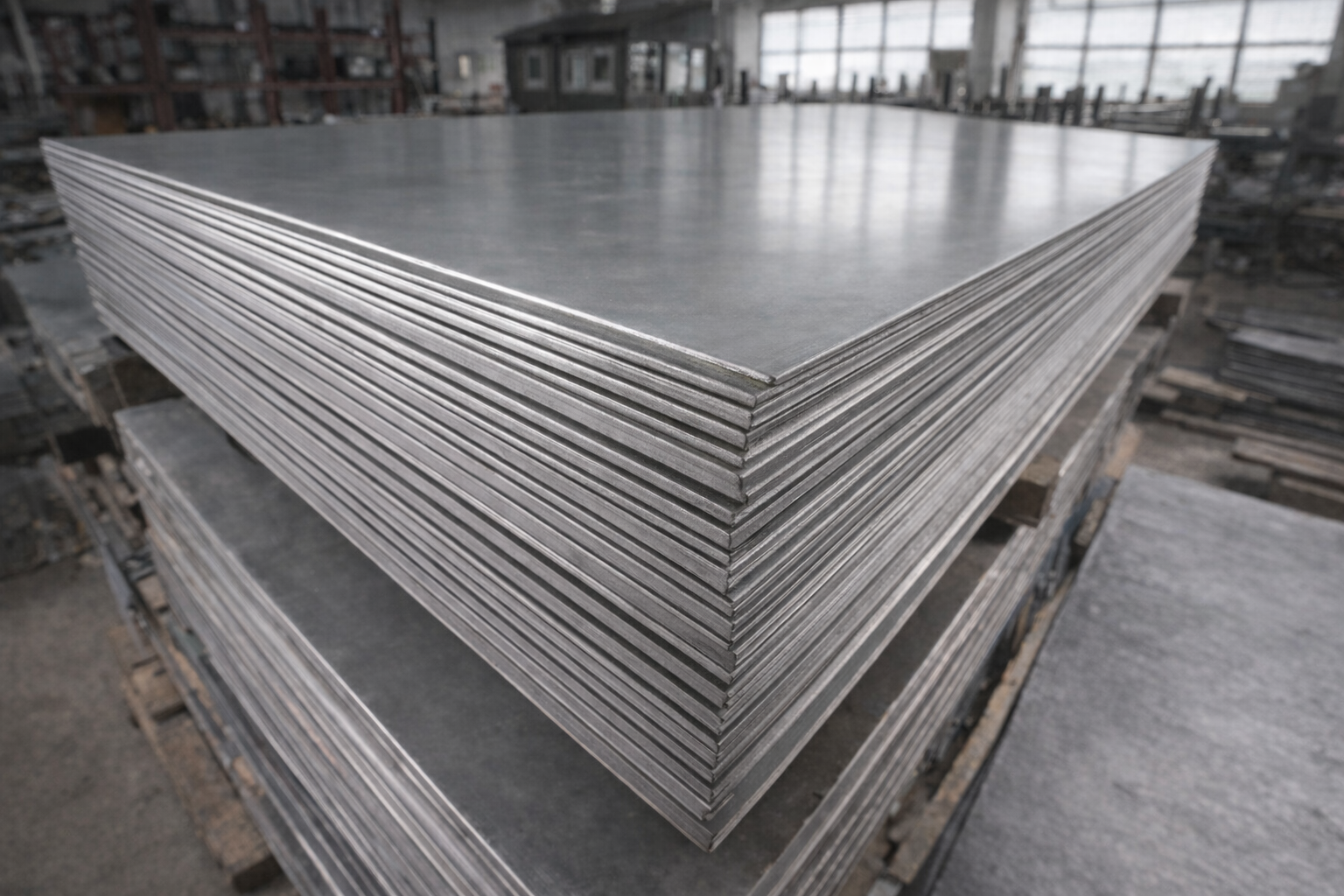
Walk into any mall, factory, hotel kitchen or metro station in India and stainless steel sheets are quietly doing the hard work. They hold the structure, keep surfaces hygienic and make everything look polished and modern. Most people never notice them. Engineers and fabricators do. When buyers search for SS Sheet Manufacturers, Suppliers, and Distributors in India, they do it because one wrong material choice can lead to rust, rework, customer complaints and a very awkward phone call from the client. Sarvottam Steel focuses on exactly this decision point by supplying SS sheets in trusted grades 202, 304, 316L and 310 with popular finishes 2B, BA and No.8 PVC, backed by standard specifications like ASTM A240 / ASME SA240.
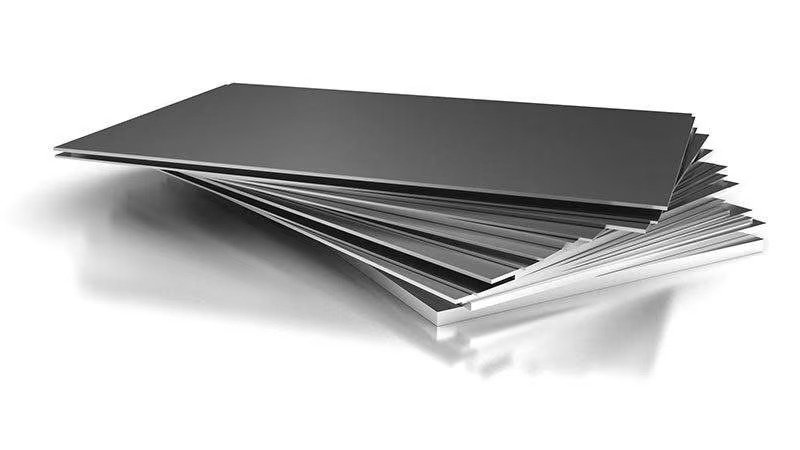
Understanding SS Sheet Specifications
The specification table from your product page already tells a clear story, but let’s translate it into plain language so buyers actually read it.
- Standards: ASTM A240 / ASME SA240 These are globally accepted standards for stainless steel plates and sheets used in pressure vessels, industrial equipment and structural applications. They define chemistry, tolerance and testing requirements so engineers can trust the material in critical service.
- Thickness: 0.01–200 mm That is a huge range. Thin gauges serve as shim sheets, cladding and precision components. Thicker plates go into heavy fabrication, machine bases and structural parts.
- Widths: 1000, 1219, 1500, 1800, 2000, 2500, 3000, 3500 mm, etc. These widths allow fabricators to design nesting plans with minimum scrap. Common global widths for SS sheets include 1000, 1219 and 1500 mm.
- Production: Cold‑rolled Cold rolling improves surface finish, flatness and thickness accuracy, which is essential for 2B, BA and No.8 finishes.
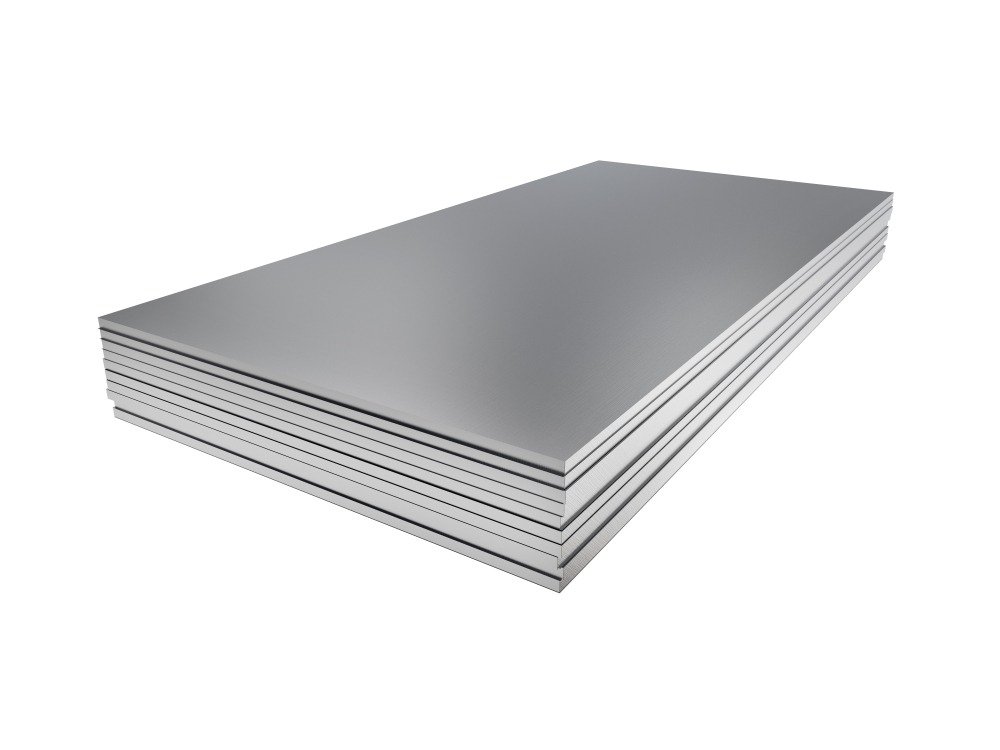
- Forms: Plain sheet, shim sheet Plain sheets cover most fabrication. Shim sheets are thin, used for alignment and precise spacing in engineering assemblies.
- Grades: Long list from 304 to 409M For this article we focus on four workhorses: 202, 304, 316L and 310 that appear in the Indian market and global standards.
Finish 2B, BA & No.8 PVC – What Buyers Actually Get
Finishes sound like cosmetic details, but they affect hygiene, cleaning and even weld prep. Here is how the three key finishes differ.
- 2B Finish
- Smooth, cold‑rolled, slightly reflective matte surface.
- Great for general fabrication, tanks, enclosures, panels and parts that may later be polished, coated or painted.
- Offers a good balance of cost and appearance.
- BA (Bright Annealed) Finish
- Bright, almost mirror‑like surface obtained by annealing in a controlled atmosphere.
- Popular in food processing, pharmaceutical equipment, kitchen equipment and decorative panels where cleanability and appearance both matter.
- No.8 PVC Finish (Mirror)
- Super‑polished mirror surface, usually protected by PVC film to avoid scratches during transport and fabrication.
- Used for elevators, interior cladding, signage, kiosks and architectural features where designers want a high‑end look.
At Sarvottam Steel, these finishes are combined with practical thicknesses and sheet sizes so buyers can choose based on use rather than just whatever is available that day.
Grades 202, 304, 316L & 310Q – Logical Choices, Not Random Names
Stainless grade numbers often confuse non‑engineers, so here is a practical explanation using only data that major steel producers also publish.
Quick Comparison Table for Key Grades
| Grade | Typical Chromium / Nickel range | Main Strength | Typical Uses in India |
| 202 | Cr–Mn stainless, lower Ni | Cost‑effective general SS, good formability | Railings, furniture, displays, light fabrication |
| 304 | ~18% Cr, 8–10% Ni | All‑round corrosion resistance, food contact safe | Kitchen equipment, tanks, architectural work |
| 316L | ~16–18% Cr, 10–14% Ni + Mo, low C | Better resistance to chlorides and chemicals | Pharma, chemical plants, marine and coastal areas |
| 310 / 310Q | ~24–26% Cr, 19–22% Ni | High‑temperature strength and oxidation resistance | Furnaces, heaters, kilns, heat‑treat fixtures |
*Approximate ranges based on common austenitic stainless steel data used by major mills.
Grade 202 – The Budget Performer
SS 202 belongs to the 200‑series austenitic family. It uses manganese and nitrogen to reduce nickel content while keeping the familiar stainless look.
- Good for indoor and mild outdoor environments.
- Widely used for furniture, railings, kitchen racks, shop fittings and display systems.
- Works best when customers want stainless appearance and moderate corrosion resistance at a competitive price.
Grade 304 – The Global Workhorse
SS 304 is the world’s most widely used stainless steel grade.
- Excellent all‑round corrosion resistance.
- Good weldability and formability.
- Used in food and beverage equipment, commercial kitchens, process tanks, rail coaches and architectural elements.
If a client does not specify a grade but wants “good quality stainless,” 304 is often the default choice.
Grade 316L – When Chlorides Join the Party
SS 316L adds molybdenum and reduces carbon content compared with 304.
- Handles chloride environments better, such as coastal locations, certain chemical streams and cleaning agents.
- Low carbon (“L”) helps avoid carbide precipitation during welding, which protects against weld‑area corrosion.
- Common in pharmaceutical and chemical plants, high‑end kitchen equipment, marine applications and hospital fittings.
Grade 310 / 310Q – Ready for High Heat
SS 310 and its variants are heat‑resistant austenitic steels.
- With high chromium and nickel levels, they resist scaling and maintain strength at elevated temperatures.
- Used for furnace parts, heat‑treating trays, kilns, burners and high‑temperature ducting.
- A grade label like 310Q is typically used by suppliers to denote a particular quality or chemistry window suitable for specific temperature ranges, while still within the 310 family. Exact limits follow mill or standard data sheets.
When your customer says, “This part glows red hot,” you do not send 202 or 304. You send 310‑series sheet.
How Sarvottam Steel Fits into the Indian SS Sheet Ecosystem
India now hosts a large stainless steel ecosystem, with major mills, service centres and thousands of stockists across cities like Mumbai, Delhi, Ahmedabad and Chennai. In this environment, buyers often struggle with one basic problem: whom to trust for consistent sheet quality and realistic delivery dates.
Sarvottam Steel operates as a manufacturer–supplier–distributor type partner in this ecosystem.
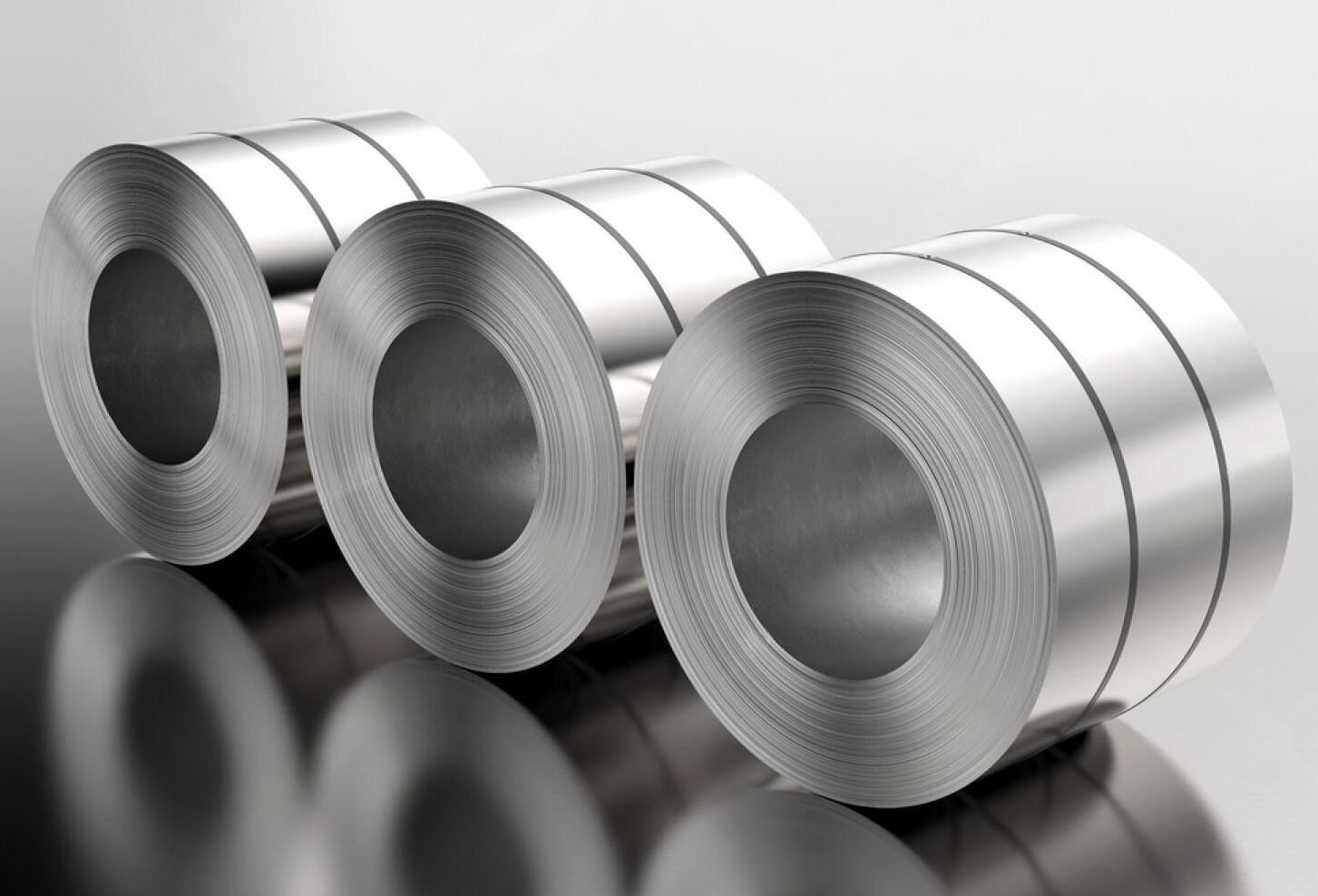
- Focus on SS sheets, plates and coils rather than every metal under the sun.
- Supply of 2B, BA and No.8 PVC finishes in popular grades 202, 304, 316L and 310.
- Stock in common widths (1000, 1219, 1500 mm etc.) and lengths (2000, 2440, 3000, 6000 mm) aligned with typical fabrication needs.
- Forms including plain sheets and shim sheets for alignment and precision work.
This combination helps fabricators, OEMs and traders build reliable supply chains without re‑qualifying new vendors every month.
Practical Use Cases – Where These Sheets Actually Go
Instead of quoting generic sectors, it helps to think in terms of real components. Here are common use cases consistent with how these grades and finishes are used in India.
- 202, 2B / BA finish
- Furniture frames
- Indoor railings and balustrades
- Display racks, shelves and shop‑fit items
- 304, 2B / BA finish
- Restaurant and hotel kitchen equipment
- Food and beverage processing equipment
- Architectural cladding and canopies
- 316L, 2B / BA finish
- Pharmaceutical machinery
- Chemical handling tanks and pipework
- Coastal and marine fixtures
- 310, 2B finish
- Furnace casings and internal parts
- Heat‑treat baskets and trays
- Burner cones and flue components
For highly visible interiors, No.8 PVC mirror sheets in any of these grades become a design element: elevator cabins, column covers, showroom walls and feature panels. The PVC film protects the surface until installation, after which the mirror finish does the talking.
How to Choose the Right Combination for Your Project
When an engineer or buyer opens the Sarvottam Steel SS Sheets, Plates & Coils page at https://sarvottamsteel.com/our-products/ss-sheets-plates-coils/, a simple decision sequence works well:
1. Clarify the environment
- Indoor, outdoor, coastal, chemical, or high temperature?
- For mild indoor use, 202 or 304 often suffices.
- For chemical, pharma or coastal exposure, 316L is safer.
- For high‑temperature service, look at 310/310Q.
2. Pick the finish
- Utility and process areas: 2B.
- Clean, bright equipment or visible surfaces: BA.
- Premium decorative interiors: No.8 PVC.
3. Select thickness and size
- Structural or load‑bearing parts need higher thickness.
- Cladding, panelling and shims use thinner gauges.
- Choose sheet width that reduces scrap in your cutting plan.
4. Confirm standards and paperwork
- Check that material aligns with ASTM A240 / ASME SA240 or your project spec.
- Ask for mill test certificates (MTCs) for traceability.
Sarvottam Steel can then match your enquiry with stock or mill‑route options based on this logic.